New Construction Plumbing Services in Indio CA
New construction projects require carefully planned plumbing systems that will support a building for decades. From underground piping to final fixture installation, every phase must be executed with precision to ensure safety, efficiency, and compliance with local regulations. TZ Plumbing provides professional new construction plumbing services in Indio CA, delivering complete system installation for residential and commercial developments.
Unlike repair work, new construction plumbing begins with a blank slate. This allows systems to be designed specifically for the building’s layout, occupancy needs, and long-term performance goals. Proper planning helps avoid future issues such as low water pressure, inadequate drainage, or inefficient water heating. In Indio, additional considerations include hard water conditions, soil movement, and climate factors that can affect underground lines and exposed components.
Plumbing System Design and Planning
The foundation of successful new construction plumbing lies in thorough design. Before installation begins, plumbing layouts must coordinate with architectural plans, structural elements, and mechanical systems. This ensures all components fit within walls, floors, and utility spaces without conflicts.
Water Supply System Layout
Designing an effective water supply network involves determining pipe sizes, routing paths, and connection points to deliver consistent pressure throughout the building. Proper planning ensures that fixtures on upper floors or at distant locations receive adequate flow without excessive strain on the system.
Drain, Waste, and Vent Design
Wastewater must move efficiently away from the building while preventing sewer gases from entering interior spaces. Drain and vent systems are carefully configured to maintain proper flow, prevent blockages, and support sanitation requirements. Incorrect slopes or vent placement can lead to slow drains and recurring problems, making precise design essential.
Code Compliance and Permitting
Local building codes regulate pipe materials, installation methods, and safety features. Plans must meet these standards before construction proceeds. Compliance ensures the system passes inspections and operates safely under normal use conditions.
Underground Plumbing Installation
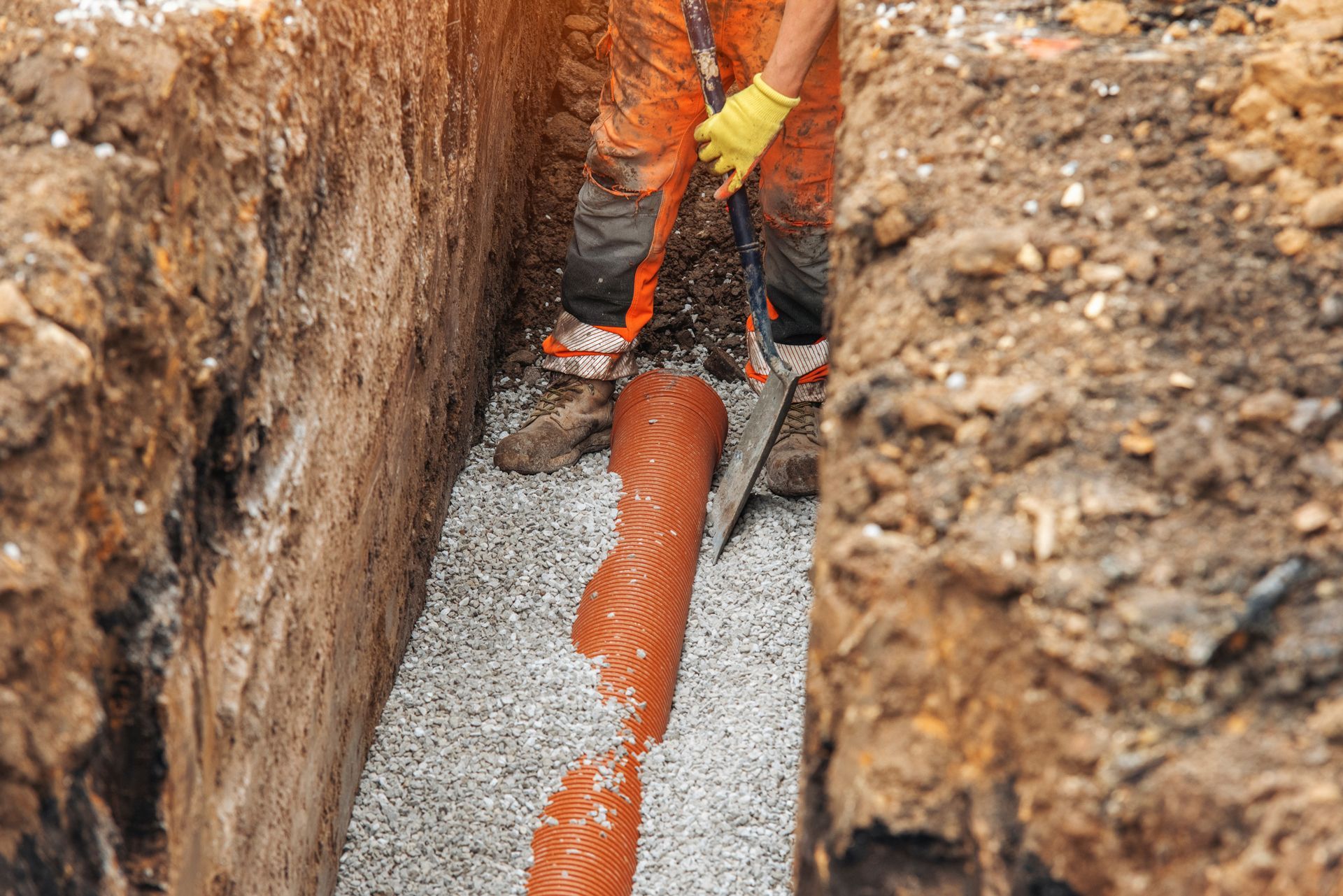
Underground work forms the backbone of the plumbing system, connecting the structure to municipal water and sewer services. These components must be installed before foundation pouring and must withstand long-term soil pressure and environmental exposure.
Sewer Line Installation
The main sewer line carries wastewater from the building to the public sewer system or septic connection. Proper depth, slope, and pipe material selection are critical for reliable performance. Incorrect installation can result in recurring backups or structural damage to pipes.
Water Service Line Installation
The water service line delivers fresh water from the municipal supply into the building. Accurate placement and secure connections ensure consistent pressure and minimize the risk of leaks beneath the foundation.
Underground Rough-In
Additional piping for future fixtures, floor drains, or specialized equipment may also be installed at this stage. Careful positioning prevents the need for disruptive excavation after construction is complete.
Rough Plumbing for Structural Framing
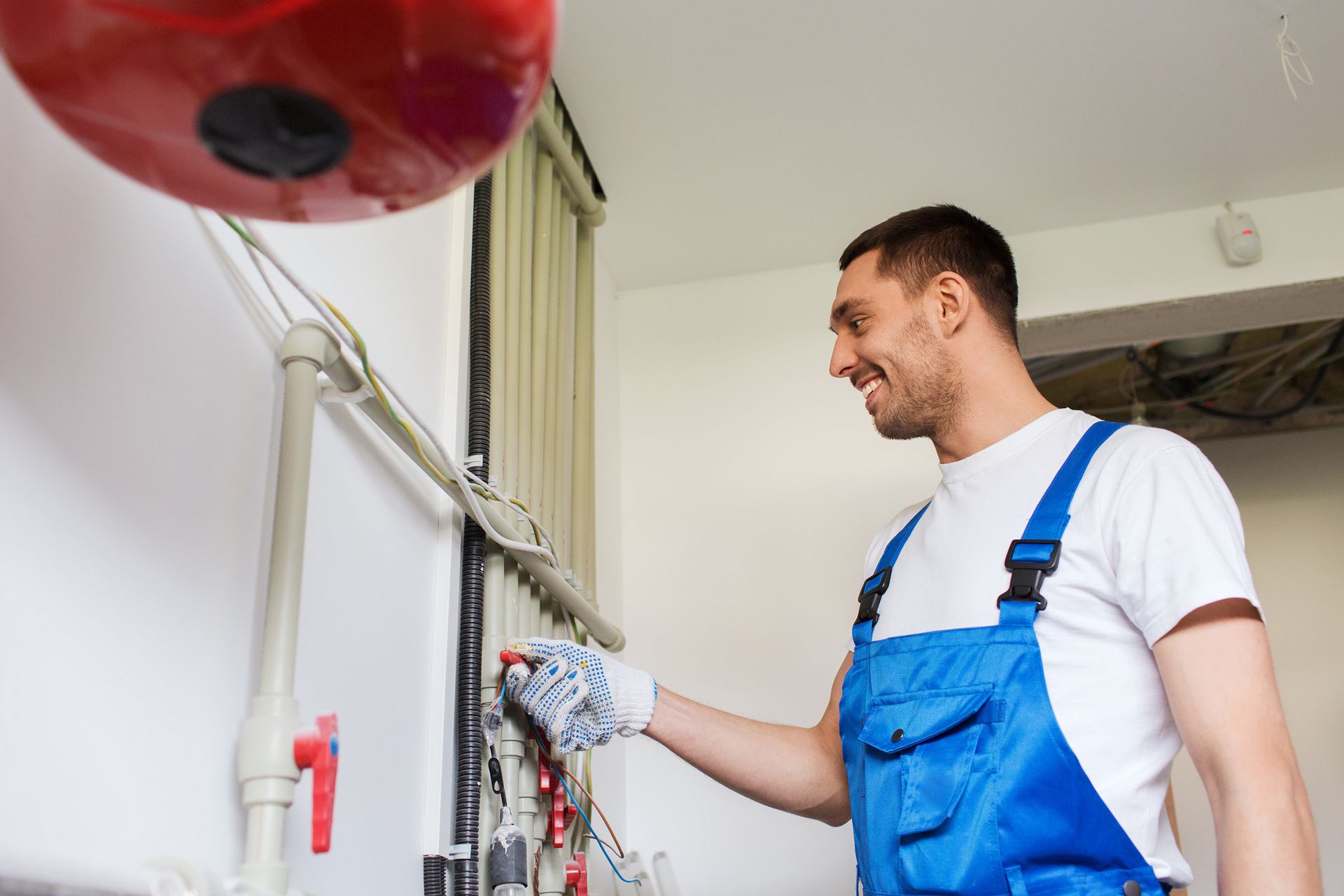
Once the foundation and framing are in place, rough plumbing begins inside the structure. This phase involves installing supply lines, drainpipes, and vent stacks throughout walls, floors, and ceilings before surfaces are enclosed.
Pipe Routing and Installation
Pipes must be routed to serve kitchens, bathrooms, laundry areas, and mechanical rooms while avoiding structural elements. Secure fastening and protective measures prevent movement, noise, or damage during building use.
Vent Stack Installation
Vent stacks regulate air pressure within the drainage system, allowing wastewater to flow smoothly. Proper placement prevents siphoning of traps and eliminates sewer gas infiltration into occupied spaces.
Pressure Testing and Inspection
Before walls are closed, the system undergoes testing to verify leak-free connections and proper operation. Inspections confirm compliance with building codes and ensure the installation meets safety standards.
Fixture and Appliance Installation
After interior finishes are completed, plumbing fixtures and appliances are installed and connected to the prepared piping. This phase transforms the hidden infrastructure into a fully functional system.
Bathroom Fixture Installation
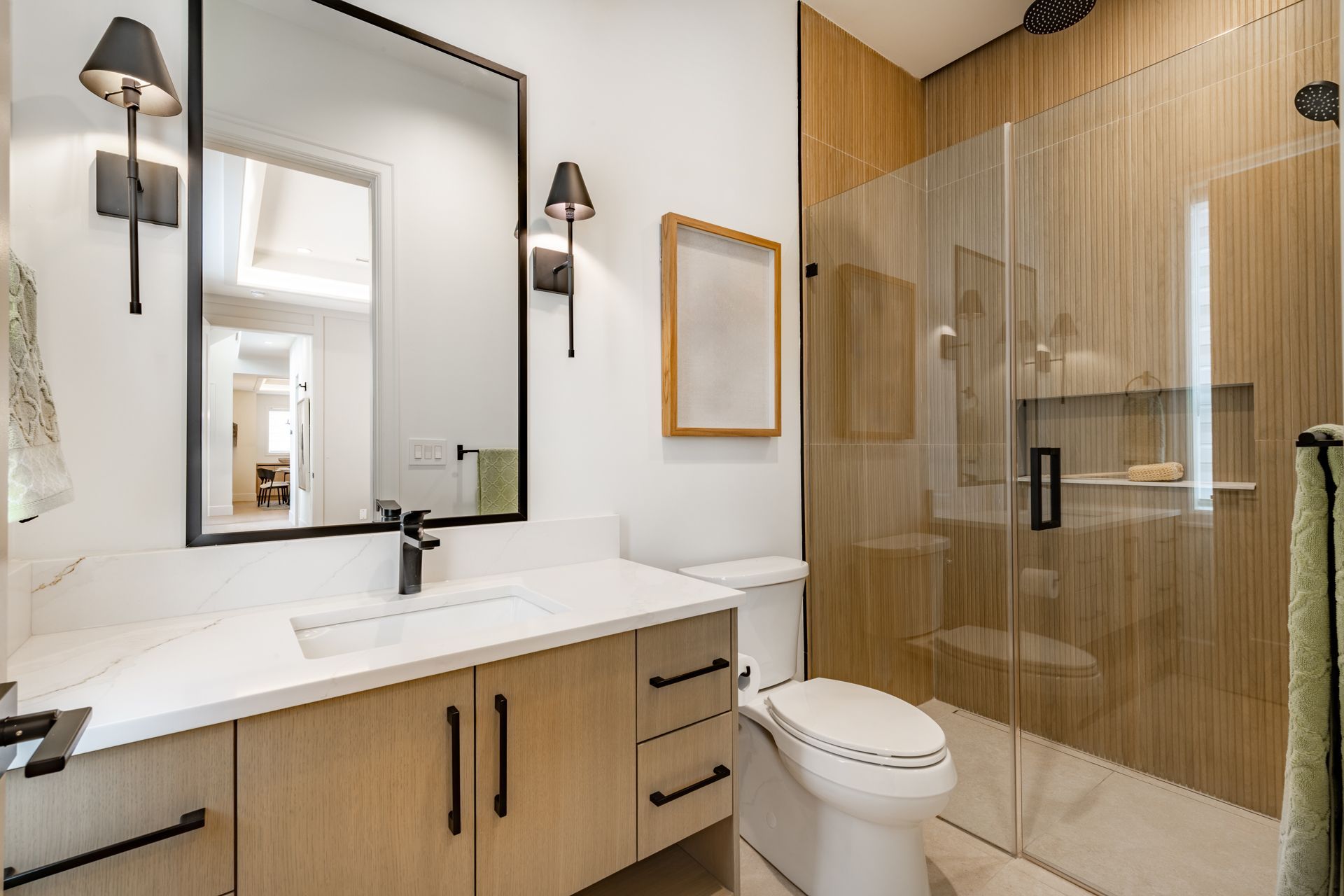
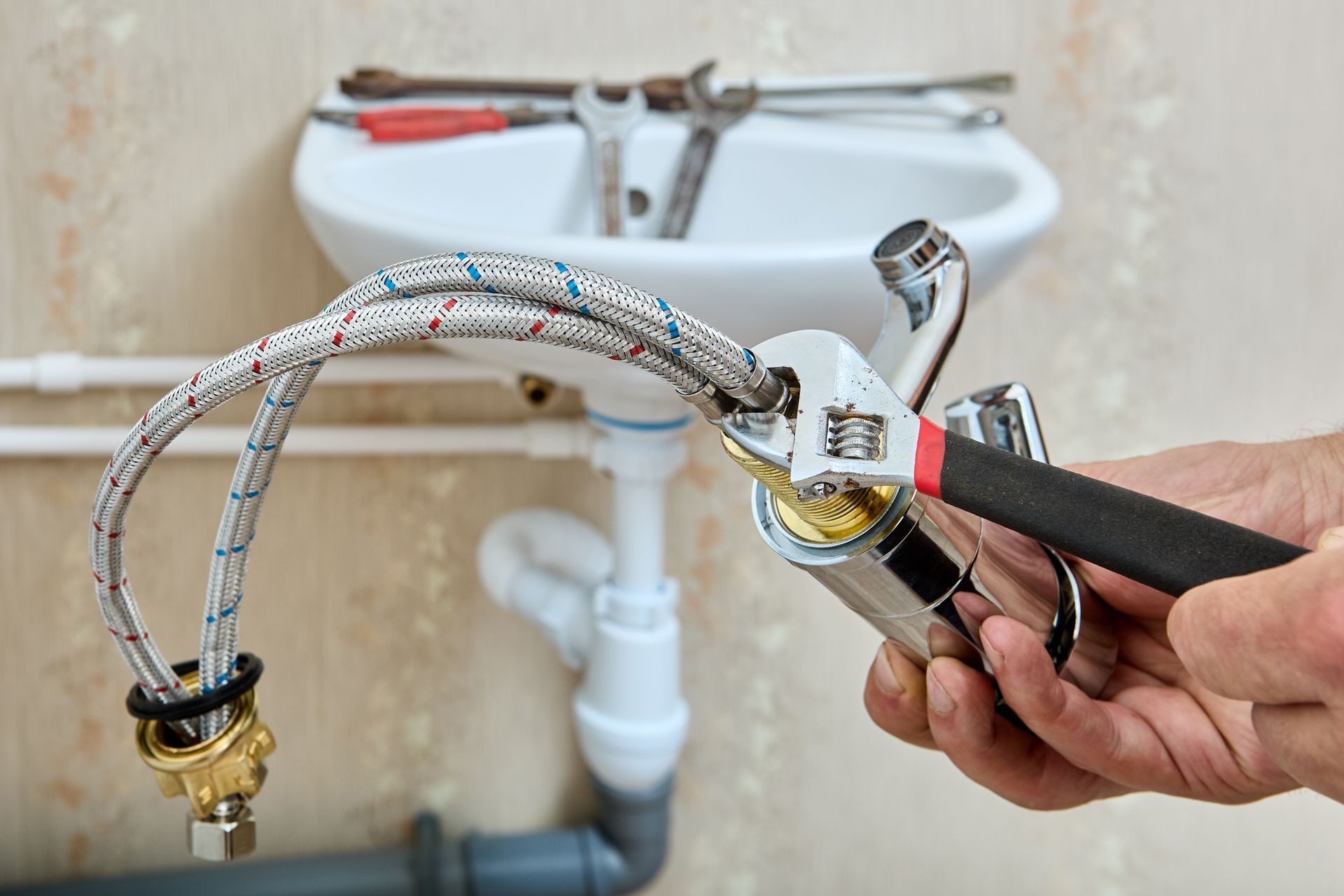
Toilets, sinks, showers, and bathtubs are installed with precise alignment to prevent leaks and ensure reliable operation. Correct sealing and connection methods protect surrounding surfaces from water damage.
Kitchen Plumbing Installation
Kitchen systems include sinks, faucets, garbage disposals, and water lines for appliances such as dishwashers and refrigerators. Proper installation supports efficient food preparation and cleanup.
Laundry and Utility Connections
Washing machines, utility sinks, and other service equipment require secure hookups capable of handling high water flow and drainage demands. Professional installation reduces the risk of flooding or connection failure.
Water Heating System Installation
Selecting and installing the appropriate water heating system is essential for meeting the building’s hot water requirements. The system must be sized according to occupancy, fixture count, and anticipated usage patterns.
Traditional Tank Systems
Storage tank heaters provide a ready supply of hot water and are commonly used in both residential and commercial construction. Proper placement and connections ensure safe operation and efficient performance.
Tankless Water Heater Systems
Tankless units heat water on demand, eliminating the need for storage tanks and reducing standby energy loss. Accurate sizing is critical to ensure sufficient output during peak usage.
System Integration and Testing
Once installed, the water heating system is integrated with the building’s plumbing network and tested for proper operation. Temperature controls, safety features, and circulation components are verified to ensure reliable performance.
Final Inspection and System Commissioning
Before occupancy, the entire plumbing system undergoes final inspection and commissioning. This process confirms that all components operate correctly, meet regulatory standards, and are ready for long-term use.
Testing includes verifying water pressure, drainage performance, fixture operation, and hot water delivery. Any adjustments are made to optimize efficiency and reliability. Proper commissioning helps prevent early failures and ensures the system performs as intended from the first day of use.
TZ Plumbing provides comprehensive new construction plumbing services in Indio CA, supporting builders, developers, and property owners with expertly installed systems from initial planning through final inspection. By focusing on precision, durability, and local requirements, new construction plumbing is designed to deliver dependable performance for years to come.